A number of companies globally specialize in plasma gasification technology, which is the core energy component of The PLASMA Project.
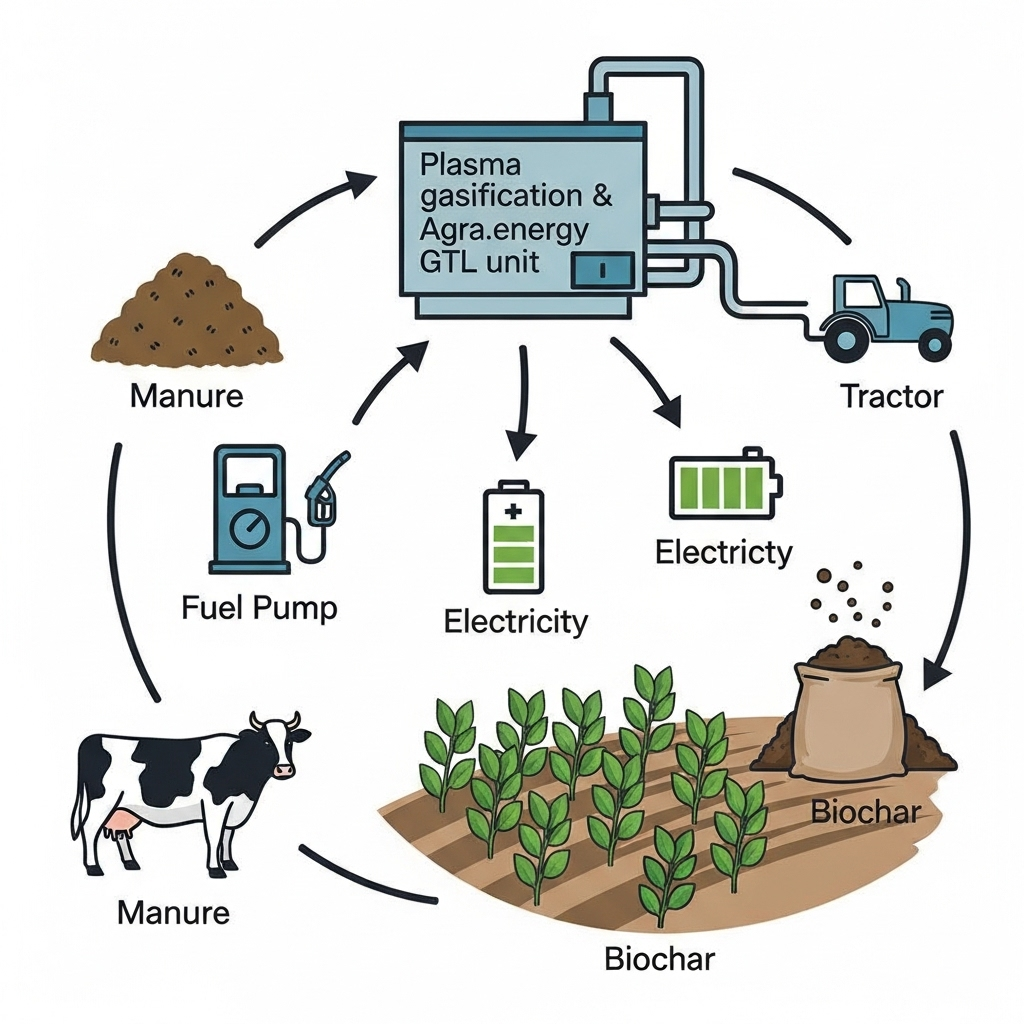
This technology is recognized for its ability to convert various difficult feedstocks, including waste and biomass, into a clean synthesis gas (syngas) and inert byproducts like glassy slag.
The planned 210 Tons Per Day (TPD) capacity for The PLASMA Project is a commercial scale, putting it in the range of systems developed by several industry leaders.
Here is a summary of prominent plasma gasification companies and providers:
Leading Plasma Gasification Companies
- Westinghouse Plasma Company (WPC)
- Focus: WPC is a well-established name in the sector, licensing the Westinghouse brand for plasma torch systems and plasma gasification systems[1]. The technology is proven for converting a wide variety of waste streams, including municipal solid waste (MSW) and hazardous waste, into clean syngas suitable for high-efficiency gas turbines or liquid fuels[1][2][3].
- Scale Reference: WPC technology has been used in commercial projects globally for over 10 years, and one facility in Utashinai, Japan, had a capacity of 220 TPD, which is very close to The PLASMA Project’s target of 210 TPD[4].
- PyroGenesis Canada Inc.
- Focus: PyroGenesis specializes in advanced plasma processes, including plasma gasification, to convert waste into energy and reduce greenhouse gases[5].
- Technology/Scale: They offer a Plasma Resource Recovery System (PRRS) that can process a wide variety of wastes and is available in capacities ranging from 1 to 100 metric tons per day per module[6]. A 210 TPD capacity could be achieved using multiple modular units from this provider.
- PLAZARIUM
- Focus: An international company that develops and produces plasma equipment for various applications, including ecological, power engineering, and special high-temperature applications[7][8].
- Technology/Scale: PLAZARIUM offers mobile and modular plasma gasification units (MGS) for the destruction and disposal of standard and hazardous waste, with the final product being syngas for electric and heat energy[8][9]. Their modular construction, often in 20/30/40-foot maritime transport containers, offers flexibility for remote installations[9].
- Plasma Development LLC (Gasplasma®)
- Focus: This company utilizes its proprietary Gasplasma® technology to transform waste into renewable energy, with a focus on achieving zero waste and environmentally friendly recycling[5]. The Gasplasma process is an advanced form of waste-to-energy technology.
- Reformed Energy
- Focus: Reformed Energy’s technology uses a closed plasma gasification system to process solid and liquid waste streams, preventing methane emissions and creating a versatile syngas for sustainable power generation[10]. The company has been working on bringing its technology to full commercialization.
- Europlasma
- Focus: Europlasma specializes in waste management and environmental sustainability, utilizing patented plasma torch technology for treating solid hazardous waste and processing toxic gases[5].
The PLASMA Project’s goal of a $10 million unit cost for a 210 TPD system, contrasted with the industry estimates of $27–$82 million, highlights the critical nature of DeReticular’s feasibility study to identify a cost-effective supplier or to validate significant local cost advantages in engineering, procurement, and construction (EPC)[7].
Sourceshelp


